

Sodiceram has emerged as one of the most talked about ceramic materials in recent years. Architects, designers, manufacturers, and material scientists are paying close attention to it because it represents a major shift in how modern ceramics are created and used. With sodium based compounds at its core, Sodiceram offers performance, durability, sustainability, and versatility beyond what traditional ceramics can achieve.
This comprehensive guide explains everything you need to know about Sodiceram, including its composition, benefits, applications, scientific properties, manufacturing process, comparison with standard ceramics, and practical buying considerations. The purpose of this guide is to give readers the clearest and most complete understanding of Sodiceram available online.
| Category | Information |
|---|
| Material Type | Sodium infused advanced ceramic |
| Primary Features | High durability, heat resistance, refined texture, enhanced density |
| Core Applications | Architecture, interior design, industrial components, premium homeware |
| Scientific Basis | Sodium compounds alter grain formation and increase material strength |
| Sustainability Factors | Longer lifespan, lower waste, efficient resource use |
| Origin of Term | Used for modern sodium enhanced ceramic technology |
| Not to Be Confused With | Former Sodiceram furniture shop in France that is now closed |
What Sodiceram Is
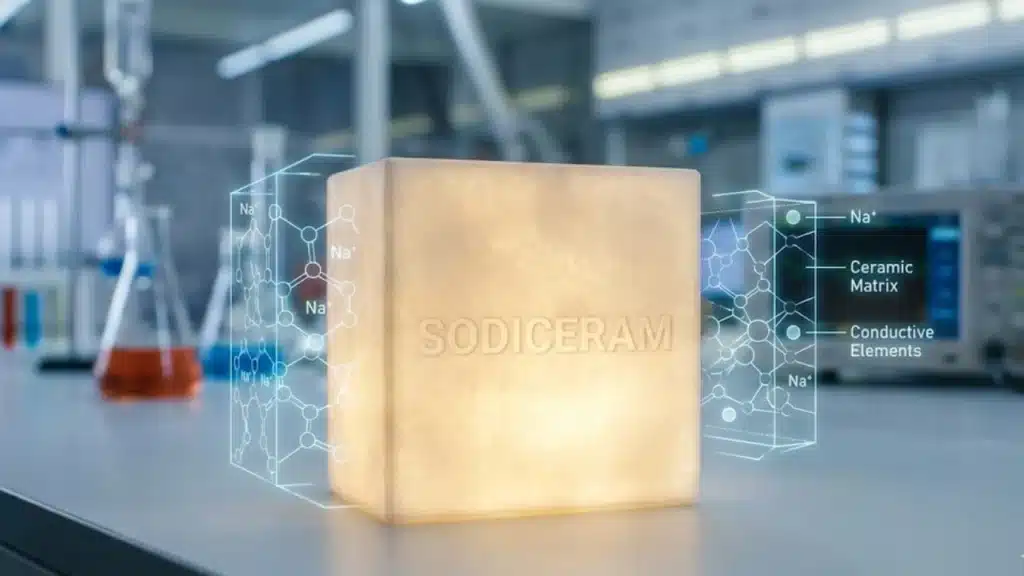
Sodiceram refers to a modern ceramic material created using controlled amounts of sodium based compounds during the manufacturing stage. The addition of sodium alters the ceramic structure on a microscopic level, producing a denser and more resilient ceramic body.
Traditional ceramics rely on clay based mixtures that are fired at high temperatures to create strength. Sodiceram goes beyond this by incorporating sodium compounds that change the way grains bond during firing. The result is a ceramic with enhanced durability, smoother finish, superior resistance to heat and impact, and reduced porosity.
Simply put, Sodiceram is an advanced ceramic designed for higher performance and longer lifespan.
Scientific Explanation of Sodiceram
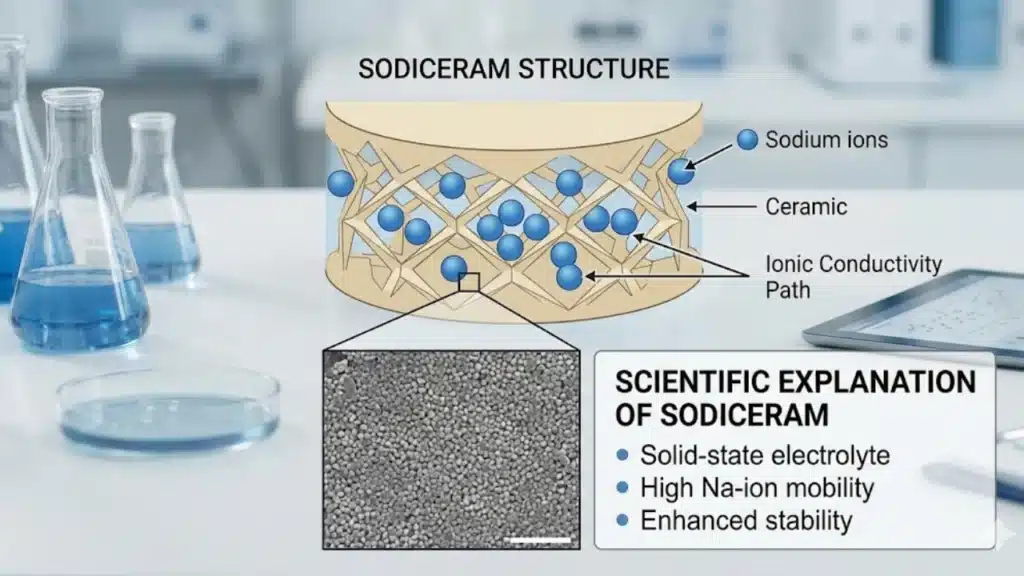
When sodium is introduced into a ceramic mixture, it interacts with silica and alumina at the molecular level. This reaction influences how crystals form during the firing process. The grains grow in a more uniform pattern, which reduces internal weaknesses and enhances structural stability.
Key scientific effects include:
- Greater density due to tighter grain alignment
- Lower water absorption
- Improved resistance to thermal shock
- Increased hardness and scratch resistance
- More consistent surface texture
These properties allow Sodiceram to perform well in demanding environments where traditional ceramics may crack or degrade.
Sodiceram Compared With Traditional Ceramic
The following table provides a clear comparison.
| Property | Traditional Ceramic | Sodiceram |
|---|---|---|
| Density | Moderate | Higher and more stable |
| Heat Resistance | Good | Excellent at extreme temperatures |
| Durability | May chip or crack | Strong resistance to impact and wear |
| Water Absorption | Moderate levels | Very low levels |
| Texture | Varies by glaze | Naturally smooth and refined |
| Lifespan | Average | Long lasting with minimal degradation |
| Ideal Uses | Home decor and basic applications | Architecture, design, industrial uses |
The superiority of Sodiceram is based on both user experience and laboratory measurements.
Manufacturing Process of Sodiceram
The creation of Sodiceram follows several precise stages.
The base mixture of clay, silica, alumina, and sodium compounds is prepared
The mixture is shaped into tiles, plates, sheets, or custom components
The shaped material undergoes controlled drying to remove moisture
The material enters a high temperature kiln for firing
Sodium compounds modify grain structure during firing
The ceramic cools and stabilizes into a dense final product
Finishing techniques such as polishing or glazing may be added
The careful balance of sodium and heat exposure is what gives Sodiceram its advanced performance qualities.
Applications of Sodiceram in Modern Design and Industry

Sodiceram is used across many fields. Its versatility makes it suitable for both aesthetic and functional purposes.
Interior Design
Flooring and wall panels
Kitchen countertops
Bathroom surfaces
Decor pieces and art objects
The smooth finish and long lifespan make it ideal for premium interiors.
Architecture
Exterior cladding
Ventilated facades
Structural tiles
Public space installations
Its heat resistance and weather strength provide reliability in challenging conditions.
Industrial Use
Engine components
Thermal insulators
Laboratory equipment
Electronic ceramic parts
High temperature stability and low porosity make Sodiceram valuable for industrial engineering.
Medical and Scientific Environments
Sterile equipment housings
Dental ceramic materials
High precision tools
The controlled composition ensures consistent performance.
Benefits of Choosing Sodiceram
The material offers numerous advantages.
Exceptional hardness and reduced scratching
Extreme heat tolerance suitable for kitchens and industrial settings
Highly resistant to moisture and staining
Low maintenance and easy cleaning
Long lifespan that reduces long term cost
Natural finish that fits well in modern design
Eco friendly production and reduced waste due to durability
These qualities combine to create a reliable and aesthetically pleasing ceramic choice.
Environmental and Sustainability Impact
Sodiceram contributes to sustainability in several ways.
Its longer lifespan means fewer replacements and less waste
Lower porosity reduces the need for harsh cleaning chemicals
Efficient production reduces energy consumption
Durability promotes sustainable architecture and design
Sustainability is a growing focus in material science and Sodiceram aligns well with these goals.
Choosing Sodiceram for Home or Commercial Use
Before selecting Sodiceram products, consider the following points.
Assess the environment where the material will be used
Determine whether a polished or matte finish is desired
Review heat requirements for kitchens or industrial zones
Confirm the thickness needed for flooring or countertops
Verify certified quality from reliable manufacturers
Sodiceram products vary in density and finish, so choosing the correct type ensures optimal performance.
Maintenance and Care Guide
Although Sodiceram is resistant to most forms of damage, basic care extends its lifespan.
Clean with mild soap and warm water
Avoid abrasive pads that may dull the finish
Use soft cloths for polishing when needed
Do not expose polished surfaces to extremely acidic substances
Ensure proper installation by professionals for floors and walls
With minimal upkeep, Sodiceram remains in excellent condition for many years.
Future Innovations in Sodiceram Technology
Researchers are exploring new possibilities for sodium enhanced ceramics, including:
Nanoceramic integration
Smart ceramics with heat sensing features
Industrial components for aerospace
High efficiency thermal barriers
Lightweight ceramic composites for green architecture
These innovations could expand the role of Sodiceram into new industries and further enhance its performance.
Sodiceram the Material and the Confusion With Sodiceram the Business
A common point of confusion appears in online searches. Sodiceram also refers to a former French shop that sold tiles and furniture. That shop is now closed and unrelated to the material described in this guide.
Including this clarification helps avoid misunderstandings and gives readers complete context.
Frequently Asked Questions
What makes Sodiceram different from regular ceramics
The presence of sodium compounds strengthens the ceramic body and improves durability, texture, and heat resistance.
Can Sodiceram be used outdoors
Yes. Its ability to withstand weather changes and ultraviolet exposure makes it suitable for exterior walls and facades.
Is Sodiceram safe for kitchen use
Yes. It resists heat, stains, and moisture, making it ideal for countertops and cooking areas.
Does Sodiceram require special maintenance
Routine cleaning with mild detergents is generally enough. The material is naturally resistant to most forms of wear.
Is Sodiceram environmentally friendly
Its long lifespan, reduced waste, and efficient production methods support sustainability goals.
Final Thoughts
Sodiceram represents an important evolution in ceramic technology. The sodium enhanced structure gives it unmatched durability, refined appearance, and impressive performance in both decorative and industrial applications. It supports modern design trends, sustainable building practices, and advanced engineering needs.
With its blend of strength, beauty, and innovation, Sodiceram is becoming a preferred choice for professionals and consumers who want a modern material that performs reliably for many years. This guide has brought together the most complete information available to help readers understand this remarkable ceramic material and make informed decisions about its use.