

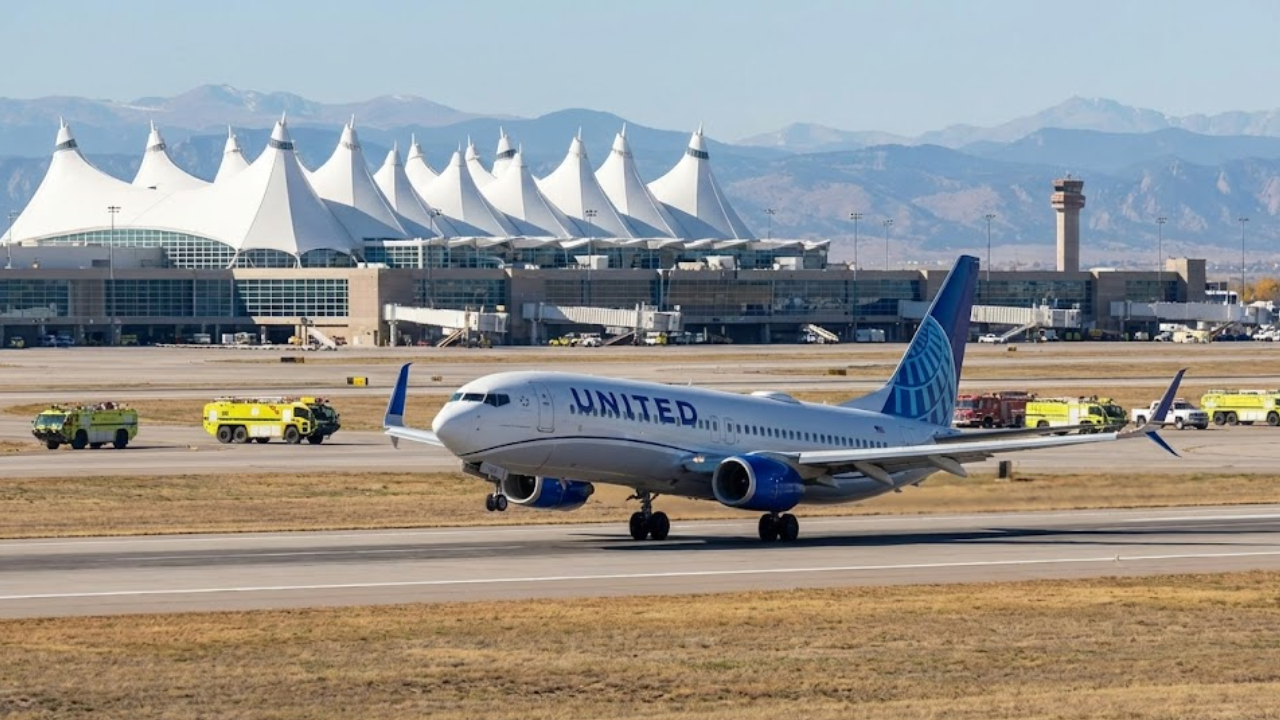
On July 28, 2025, United Airlines Flight UA770 emergency diversion became a major topic of discussion after the aircraft diverted mid-flight due to a potential onboard issue. The flight, originally scheduled to operate from San Francisco International Airport (SFO) to Chicago O’Hare International Airport (ORD), landed safely in Denver, prioritizing passenger safety.
While emergency diversions can sound alarming, aviation experts stress that such actions reflect strict safety protocols rather than imminent danger. Here’s a complete breakdown of what happened, how the crew responded, and what it means for air travel safety.
Overview of the United Airlines Flight UA770 Emergency Diversion
United Airlines Flight UA770 departed San Francisco in the morning hours and was cruising normally when flight instruments alerted the crew to an irregular system indication. Approximately 90 minutes into the flight, the pilots decided to declare an emergency and divert to Denver International Airport (DEN).
Denver was selected due to:
- Its proximity to the aircraft’s location
- Long runways suitable for emergency landings
- Advanced maintenance and emergency response facilities
The aircraft landed safely without incident, and no injuries were reported.
What Caused the Emergency Diversion?
Preliminary information from airline officials indicates the emergency diversion was linked to a hydraulic system warning. Hydraulic systems play a critical role in aircraft operations, controlling components such as:
- Flight control surfaces
- Landing gear deployment
- Braking mechanisms
Importantly, a warning does not necessarily mean system failure. However, aviation safety standards require pilots to treat any abnormal alert seriously. Continuing to the destination airport would have increased risk, making diversion the safest and most responsible decision.
How the Flight Crew Responded
The handling of the United Airlines Flight UA770 emergency diversion has been widely praised by passengers and aviation professionals.
Key actions taken by the crew included:
- Immediate communication with air traffic control
- Clear announcements explaining the diversion to passengers
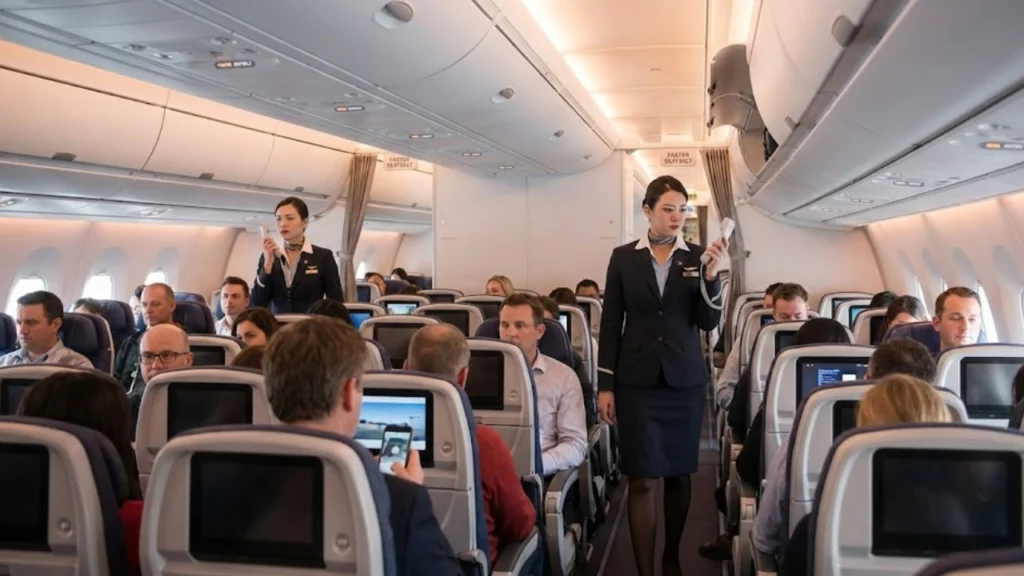
- Cabin checks by flight attendants to ensure passenger readiness
- Calm, controlled approach during descent and landing
Multiple passengers later shared that the crew’s professionalism helped reduce anxiety during the unexpected change of plans.
Passenger Experience During the Diversion
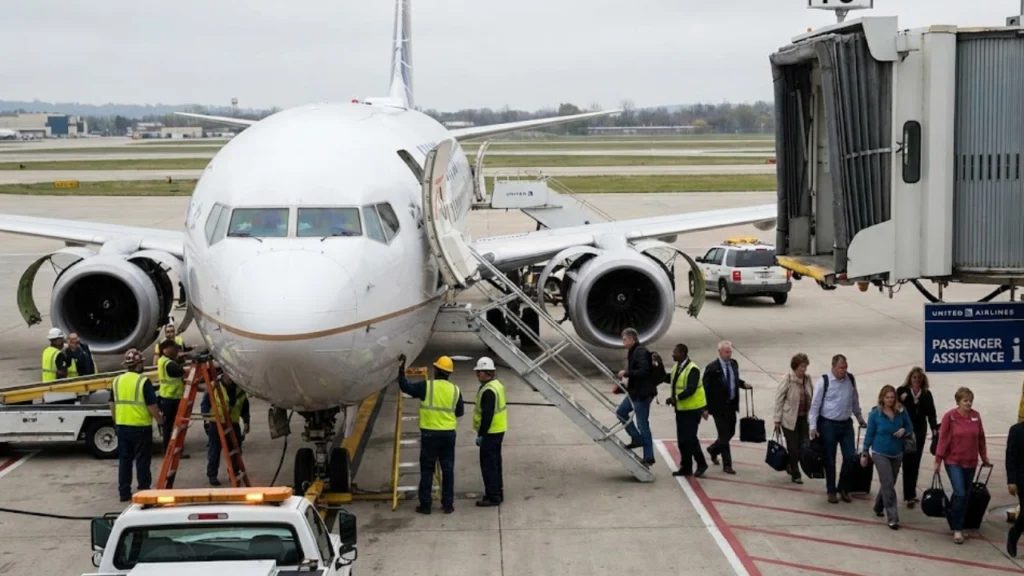
Passengers described the atmosphere onboard as calm but tense initially, followed by relief once the aircraft touched down safely in Denver.
Several travelers shared their experiences on social media, praising:
- Transparent communication from the cockpit
- Support from cabin crew
- Quick coordination after landing
Following the diversion, United Airlines provided rebooking assistance, meal vouchers, and customer support, helping minimize travel disruption.
United Airline’s Response After Landing
After the safe landing, United Airlines released an official statement confirming the diversion and reiterating its commitment to passenger safety. The airline emphasized that:
- The aircraft would undergo a full maintenance inspection
- Safety procedures were followed correctly
- Passenger well-being remained the top priority
The affected aircraft was removed from service pending further evaluation.
Why Emergency Diversions Are a Normal Part of Aviation
Although the phrase “emergency diversion” can sound serious, such events are not uncommon in commercial aviation. Airlines divert flights for several reasons, including:
- Mechanical alerts
- Medical emergencies
- Severe weather conditions
- Security-related concerns
Modern aviation operates on a preventive safety model, meaning flights divert at the earliest sign of potential risk rather than waiting for problems to escalate.
FAA Review and Next Steps
As standard procedure, the Federal Aviation Administration (FAA) will review the incident involving United Airlines Flight UA770. FAA reviews typically assess:
- Crew decision-making
- Aircraft maintenance records
- Compliance with safety regulations
These reviews are routine and do not automatically indicate wrongdoing. Any findings will help improve operational safety across the industry.
Expert Analysis: Why the Diversion Was the Right Call
Aviation safety experts agree that the crew’s decision to divert was both appropriate and expected.
Key expert takeaways include:
- Early response prevents escalation
- Hydraulic warnings demand immediate attention
- The nearest suitable airport is always preferred
Experts emphasize that successful emergency diversions demonstrate system effectiveness, not failure.
Lessons from the UA770 Emergency Diversion
The incident offers important insights for both airlines and passengers:
- Prepared crews save lives through training and discipline
- Clear communication reduces panic during unexpected events
- Minor alerts should never be ignored in aviation
- Passenger inconvenience is secondary to safety
For travelers, it reinforces the idea that delays and diversions exist to protect lives, not disrupt them.
Final Thoughts
The United Airlines Flight UA770 emergency diversion serves as a powerful reminder of how modern aviation prioritizes safety above all else. Thanks to swift decision-making, professional crew coordination, and established safety protocols, a potential issue was handled without harm.
As the investigation continues, passengers can remain confident that commercial aviation remains one of the safest modes of transportation, precisely because of proactive actions like this one.
Frequently Asked Questions
1. Why did United Airlines Flight UA770 divert mid-flight?
United Airlines Flight UA770 diverted due to a warning related to the aircraft’s hydraulic system. The crew chose to land at the nearest suitable airport as a safety precaution.
2. Where did United Airlines Flight UA770 divert to?
The flight diverted to Denver International Airport (DEN), which offers long runways, emergency support, and maintenance facilities suitable for precautionary landings.
3. Was anyone injured during the UA770 emergency diversion?
No injuries were reported. The aircraft landed safely, and passengers disembarked normally after the emergency diversion.
4. Are emergency diversions common in commercial aviation?
Yes. Emergency diversions are part of standard aviation safety procedures and can occur due to mechanical warnings, medical situations, or weather-related concerns.
5. What happens after an emergency diversion like UA770?
After landing, the aircraft undergoes maintenance inspection, and the FAA reviews the incident to ensure all safety protocols were followed correctly.
6. Did United Airlines compensate passengers after the diversion?
United Airlines assisted affected passengers with rebooking options, meal vouchers, and customer support following the diversion.