

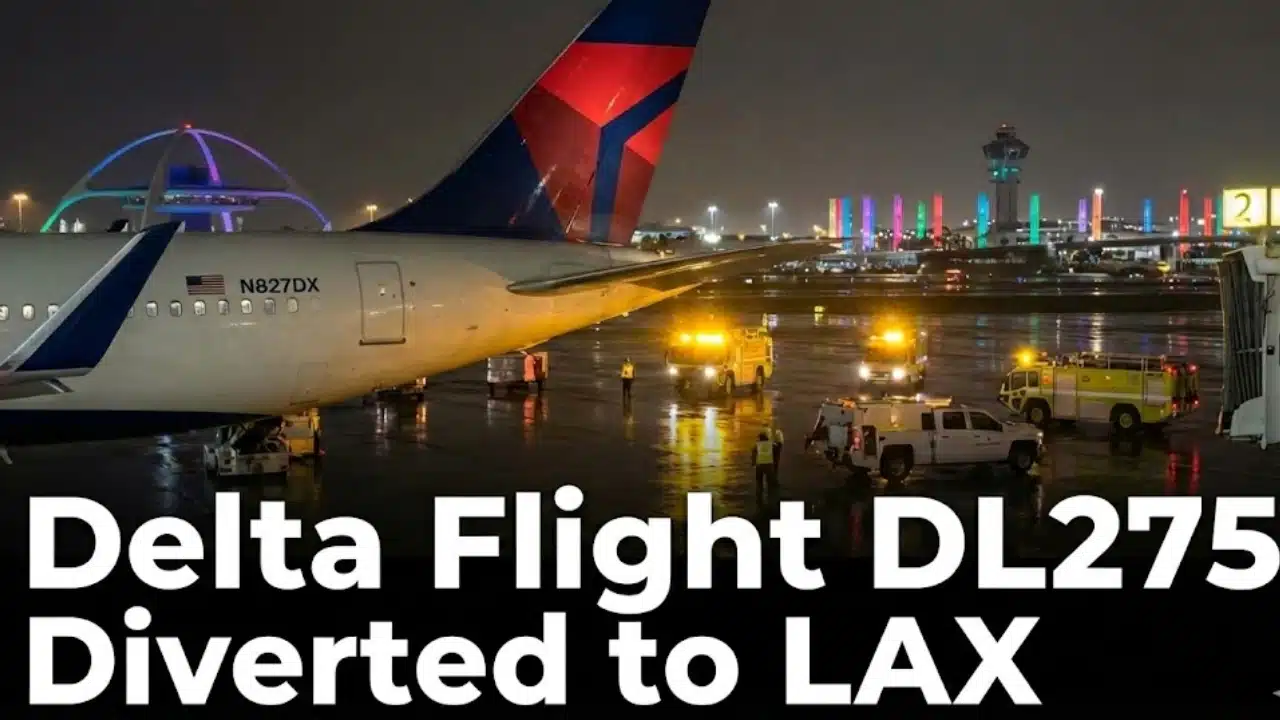
When news broke that delta flight DL275 diverted LAX, it quickly captured attention across aviation circles and social media. What was expected to be a routine transpacific journey instead became a real-world example of how airlines respond to unexpected technical challenges while prioritizing passenger safety.
A flight diversion may sound alarming, but in commercial aviation, it is a precautionary decision made to reduce risk. Understanding why delta flight DL275 diverted LAX provides valuable insight into aircraft systems, pilot decision-making, and emergency preparedness at major international airports.
Background of Delta Flight DL275 Diverted LAX
Flight Overview
Delta Flight DL275 is a long-haul international service typically operated using the Airbus A350-900, a modern wide-body aircraft designed for long-distance routes and advanced safety performance.
The flight originates from Detroit Metropolitan Wayne County Airport (DTW) and is scheduled to arrive at Tokyo Haneda Airport (HND) after approximately 13 hours. The route crosses North America and the North Pacific, regions where system reliability is critical due to limited alternate airports.
Because diversions on this route are uncommon, the event where delta flight DL275 diverted LAX drew significant attention.
Delta Air Lines Safety Record
Delta Air Lines maintains a strong reputation for operational reliability and safety. Its international fleet is supported by strict maintenance standards, advanced aircraft monitoring systems, and extensive pilot training.
The fact that delta flight DL275 diverted LAX despite no immediate danger highlights the airline’s conservative, safety-first approach.
Why Delta Flight DL275 Diverted LAX
Timeline of Events
After departing Detroit, DL275 progressed normally for several hours. While cruising over the North Pacific, cockpit instruments indicated an abnormal reading involving one of the aircraft’s engine systems.
The flight crew immediately began system checks and contacted air traffic control. Given the aircraft’s position over remote oceanic airspace and the nature of the alert, continuing to Tokyo was not considered the safest option.
As a result, the pilots made the decision that delta flight DL275 diverted LAX, selecting Los Angeles International Airport due to its infrastructure and emergency readiness.
Mechanical Issue Identified
The reason delta flight DL275 diverted LAX was traced to a technical malfunction in the engine anti-ice system. This system prevents ice buildup on engine components at high altitudes, a critical function during long ocean crossings.
While the issue did not pose an immediate threat, aviation safety procedures require early intervention when essential systems behave abnormally.
Crew Response and Communication
The response by the flight and cabin crew followed established safety protocols:
- Continuous monitoring of engine performance
- Clear coordination with air traffic control
- Priority landing arrangements at LAX
- Transparent communication with passengers
Cabin crew reassured travelers and maintained order throughout the diversion process.
Passenger Experience on Delta Flight DL275 Diverted LAX
Passenger Reactions
Passengers reported mixed emotions after learning that delta flight DL275 diverted LAX. Some expressed concern, while many felt reassured by the calm tone of the pilot’s announcements and the professionalism of the crew.
The aircraft’s descent and landing were smooth, and no panic was reported inside the cabin.
Onboard Support
During the diversion:
- Regular updates were provided
- Individual passenger needs were addressed
- Flight attendants remained attentive and composed
These efforts helped minimize stress during the unexpected reroute.
Emergency Landing at Los Angeles International Airport
LAX Emergency Preparations
Once authorities were notified that delta flight DL275 diverted LAX, airport emergency protocols were activated:
- Fire and rescue units positioned near the runway
- Runway and gate access prioritized
- Ground medical teams placed on standby
LAX’s ability to handle large international aircraft made it an ideal diversion airport.
Landing Details
The aircraft landed safely at approximately 1:08 a.m. local time. After landing:
- Emergency crews conducted precautionary inspections
- Maintenance teams prepared for detailed diagnostics
- Passengers remained seated until clearance was given
No injuries were reported.
Post-Landing Procedures After Delta Flight DL275 Diverted LAX
Passenger Handling at the Gate
After arriving at the gate:
- Passengers disembarked normally
- Delta staff assisted with rebooking and accommodations
- Hotel stays and meal vouchers were arranged when needed
- Baggage transfers were coordinated efficiently
Delta Air Lines Official Response
Delta Air Lines acknowledged the incident promptly, emphasizing that the decision to divert was made out of caution. The airline confirmed cooperation with maintenance teams and praised the crew for their decisive actions during the event in which delta flight DL275 diverted LAX.
Investigation Into the DL275 Diversion
The diversion triggered a formal investigation involving:
- Delta’s engineering and maintenance departments
- Engine manufacturer specialists
- FAA oversight
- Airport operations teams
Preliminary findings pointed to the anti-ice system as the source of the alert, with further inspections underway to determine corrective actions.
Impact of Delta Flight DL275 Diverted LAX
Impact on Passengers
The diversion caused unavoidable disruptions, including:
- Missed international connections
- Overnight delays for some travelers
- Schedule adjustments and rebooking
Despite the inconvenience, passenger safety was maintained throughout the incident.
Operational Impact on Delta
From an operational perspective, delta flight DL275 diverted LAX resulted in:
- Temporary aircraft scheduling changes
- Crew duty-time adjustments
- Additional costs related to fuel, maintenance, and passenger care
Such costs highlight why diversions are taken seriously but remain essential for safety.
Impact on LAX Operations
LAX experienced short-term logistical adjustments, including temporary gate allocation changes and runway coordination, all managed without major disruption to airport operations.
Public and Media Response
Social Media Activity
Passengers and observers shared updates online, with many praising the professionalism of the flight crew and emergency teams. Overall sentiment surrounding delta flight DL275 diverted LAX was largely positive.
Media Coverage
News outlets reported the diversion with emphasis on safety, confirming that:
- The diversion was precautionary
- A technical system issue was involved
- Passengers were not harmed
Understanding Flight Diversions
Common Reasons Flights Divert
Flights may divert due to:
- Medical emergencies
- Mechanical or system alerts
- Severe weather
- Security or passenger-related incidents
- Operational limitations
How Airlines Manage Diversions
When a diversion is necessary, airlines prioritize safety by:
- Coordinating with ATC for suitable alternate airports
- Activating emergency and maintenance support
- Assisting passengers with accommodations and rebooking
Major airports like LAX are specifically equipped to handle such events.
Safety Lessons From Delta Flight DL275 Diverted LAX
Importance of Early Detection
Early identification of system irregularities allows crews to act before conditions worsen—particularly on long over-water flights.
Crew Training and Preparedness
The incident demonstrates how rigorous training and clear communication enable crews to manage unexpected situations efficiently.
Confidence in Modern Aviation
While unsettling, events like delta flight DL275 diverted LAX reinforce trust in modern aviation systems. Diversions are preventive measures, not signs of failure.
Conclusion
The incident where delta flight DL275 diverted LAX serves as a clear example of aviation safety working as intended. A technical system alert prompted a cautious response, resulting in a safe landing, effective passenger support, and minimal operational disruption.
Key takeaways include:
- Safety always outweighs scheduling concerns
- Early intervention prevents larger risks
- Well-trained crews and prepared airports ensure successful outcomes
Ultimately, delta flight DL275 diverted LAX is not just a story of disruption, it is a testament to the reliability and resilience of modern aviation safety systems.
Frequently Asked Questions
Why was delta flight DL275 diverted to LAX?
Delta flight DL275 diverted LAX after the crew detected a technical issue involving the engine anti-ice system. The diversion was a precautionary safety measure.
Was delta flight DL275 an emergency landing?
The landing at LAX was precautionary. While emergency protocols were prepared, the aircraft landed safely without injuries or immediate danger.
What aircraft was used for delta flight DL275?
Delta flight DL275 is typically operated using the Airbus A350-900, a modern long-haul aircraft designed for international routes and ocean crossings.
Were passengers safe after delta flight DL275 diverted LAX?
Yes. All passengers were safe, and no injuries were reported. Delta staff assisted travelers with rebooking, accommodations, and customer support.
Did the diversion affect other flights at LAX?
The diversion caused minor, temporary adjustments at LAX, such as gate coordination, but airport operations continued without major disruption.
What happens after a flight like delta flight DL275 is diverted?
After diversion, the aircraft undergoes inspection, passengers are rebooked or accommodated, and airlines conduct internal reviews to prevent future issues.
Are flight diversions like delta flight DL275 common?
Diversions are uncommon but not rare. They are precautionary actions taken to ensure passenger and crew safety when technical, medical, or weather concerns arise.
Will Delta compensate passengers from flight DL275?
Compensation depends on Delta’s policies and passenger circumstances. Typically, airlines provide hotel stays, meals, and rebooking assistance when required.