
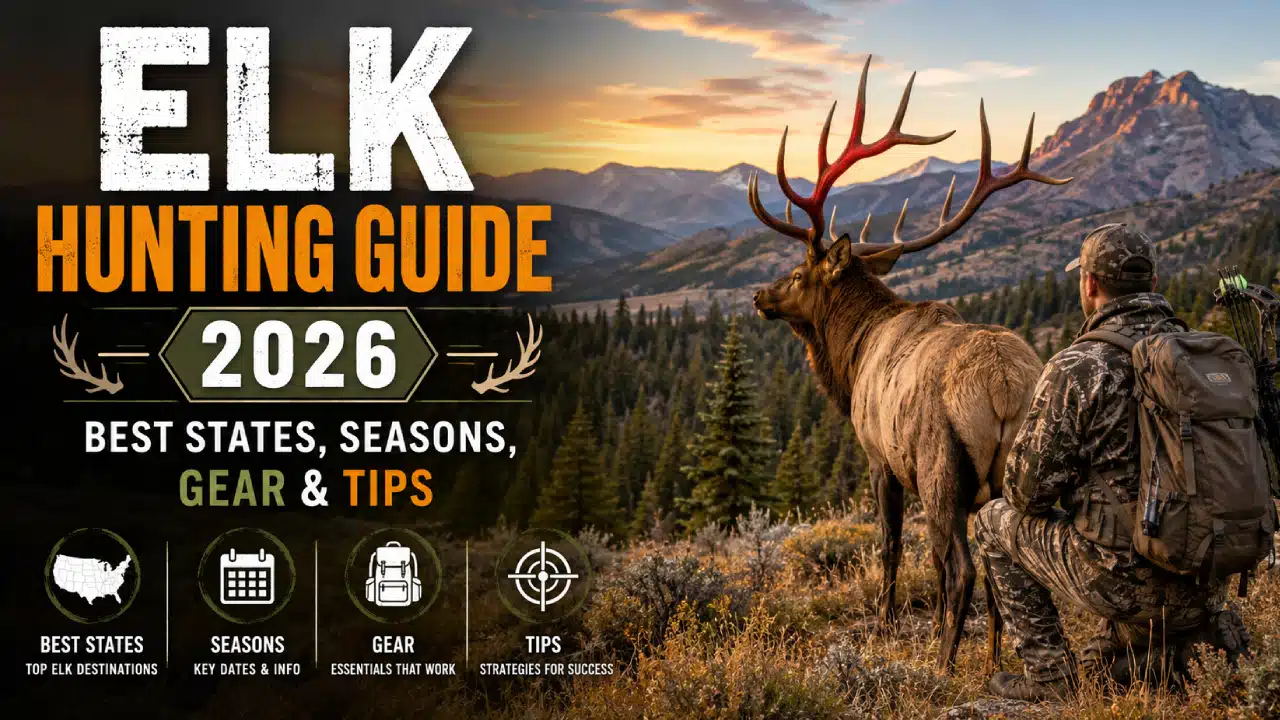
There is a sound that stops every elk hunter cold. A high, screaming bugle rolling across a frost-covered mountain at first light. Once you hear a real bull elk answer your call and come crashing through the timber toward you, nothing in the hunting world will ever compare. This guide covers everything you need to know about elk hunting, from understanding elk behavior to booking your first guided hunt with a proven outfitter.
Ready to Book Your Elk Hunt? Browse 350+ vetted outfitters across the American West and beyond at www.hunt-nation.com
Why Elk Hunting Stands Apart From Every Other Hunt
Elk are the second largest members of the deer family in North America. A mature bull can weigh over 900 pounds and carry a rack that stretches past 50 inches. They live in wild, rugged mountain country that tests your body, your gear, and your patience every single day.
But beyond the size and the trophy, elk hunting is about the experience. It is about climbing into dark timber before sunrise with your legs burning and your breath fogging in the cold. It is about sitting on a ridge, watching a herd feed through a meadow as the sun breaks over the peaks. It is about the chess match between a hunter and one of the most alert, intelligent animals on the continent.
That is why elk hunters come back year after year. Not just for the meat, though a freezer full of elk is one of the finest things a hunter can bring home. They come back for the mountains, the challenge, and that bugle.
Understanding Elk Behavior Before You Ever Step Into the Field
How Elk Move Through Their Day
Elk are creatures of routine. In the early morning hours, they feed in open meadows, ag fields, and grassy parks near timber edges. As daylight grows, they move into heavy timber and thick brush to bed down for the mid-day hours. Late afternoon brings them back to their feeding areas before dark.
The most productive elk hunting setups focus on the transition zones between bedding and feeding cover. Get to these spots before first light, stay quiet, and let the elk come to you. Hunting pressure in most public land areas pushes elk to these transition corridors harder than ever.
The Rut Changes Everything
The elk rut peaks between September 10 and September 30 and it is the single most exciting time to be in the woods. Bulls stop being cautious. They bugle, thrash brush, wallow in mud, and fight rivals. A bull in full rut will walk into range of a skilled caller, and that is what makes September archery season the most sought after elk hunting tag in North America.
During the rut, use a combination of cow calls and bugles to locate bulls and pull them into range. Cow mews and chirps work all season long. Aggressive challenge bugles work best on dominant herd bulls who will not tolerate another male in their territory. Reading the situation and knowing when to push and when to go quiet is a skill that takes time to develop, but it is the difference between close encounters and tagged bulls.
Post Rut and Late Season Opportunities
After the rut, bulls are exhausted and they disappear into the heaviest cover they can find to recover. The post rut can be a tough period for elk hunters. But as temperatures drop and snow begins to fall in October and November, elk begin concentrating near lower elevation food sources. Late season rifle hunters find large, visible herds working open hillsides and meadow edges, making for long range shooting opportunities on quality bulls.
Wallows and Water Sources
During warm early season conditions, elk wallow in muddy depressions to cool their bodies and rid themselves of insects. Finding an active wallow in your hunting area is like finding a gold mine. Set up within bow range and be there before first light. Wallows are most productive from early September through the end of archery season.
Best Time to Hunt Elk: A Season by Season Breakdown
| Season | Timing | Method | Best Conditions |
| Archery | Sept 1 to 30 | Bow Only | Rut activity, warm days, bulls bugling |
| Early Rifle | Oct 1 to 15 | Rifle | Cooling temps, bulls recovering |
| Peak Rifle | Oct 15 to Nov 15 | Rifle | Best weather variety, herds visible |
| Late Season | Nov 15 to Dec | Rifle / Muzzleloader | Snow pushes elk to low country |
For most hunters chasing a true experience, archery September is the pinnacle. The rut is firing, the mountains are at their most beautiful, and the opportunity to call a bull into close range makes every day in the field feel electric.
Best States for Elk Hunting Right Now
Colorado
Colorado carries the largest elk population in North America with an estimated 280,000 animals. Over the counter archery tags are available to non-residents without a draw, making it the most accessible elk state in the West. The Flat Tops Wilderness, units along the I-70 corridor, and the San Juan Mountains all hold strong elk numbers. Trophy units like GMU 61 require preference points but produce bulls that hunters dream about for decades.
Wyoming
Wyoming offers some of the most iconic elk hunting in the world. The Thorofare Region, accessible only by horseback deep into the wilderness, produces some of the largest bulls in North America. General hunt areas also offer solid opportunities for bulls, and the state’s terrain rewards hunters willing to go further than the crowd. Preference points are needed for the best units, but general licenses are available over the counter.
Montana
Montana has vast public land access and a general license system that keeps elk hunting available to anyone willing to put in the work. Regions like the Bob Marshall Wilderness, the Bitterroot Range, and units around Missoula hold excellent elk numbers. The state also offers late antlerless seasons that give meat hunters a second chance after the general season closes.
New Mexico
New Mexico holds the heaviest free-range elk in North America. Units like 16A and the Valles Caldera have produced bulls over 400 inches. Tags are limited and competition in the draw is fierce, but hunters who pull a New Mexico bull tag know they are sitting on one of the best opportunities on the continent.
Idaho
Idaho is one of the most underrated elk states. Vast wilderness areas, lower hunting pressure than Colorado or Wyoming, and quality bulls make Idaho a serious destination. The Frank Church River of No Return Wilderness is one of the largest roadless areas in the Lower 48 and holds elk that see very few hunters each year.
Alaska
Roosevelt elk hunting in the Kodiak Island Archipelago and Afognak Island is a true expedition hunt. These are large, dark colored coastal elk living in rainforest and alder thickets. Tags are limited, terrain is brutal, and logistics require serious planning. Hunters who complete an Alaska Roosevelt elk hunt carry those memories for the rest of their lives.
Elk Hunting Gear: What You Actually Need to Succeed
Optics Come First
A quality 10×42 binocular is the single most important piece of gear an elk hunter owns. You will spend far more time glassing than shooting. Cheap glass in low morning light costs you opportunities. Pair your binocular with a 20 to 60 power spotting scope for judging trophy quality at distance. These are the tools that find elk before elk find you.
Boots Are Not the Place to Save Money
Your feet are your most important asset in the mountains. Waterproof, stiff-soled mountain boots with serious ankle support are not optional. Break them in completely before your hunt. A single blister on day two of a seven day backcountry trip can end your entire season. Invest in quality footwear, break it in early, and your feet will carry you to elk.
Build a Layering System That Works
Elk country weather can shift from sun to snow in a single afternoon. A three layer clothing system keeps you comfortable and hunting through whatever the mountains throw at you. Start with a moisture-wicking base layer that pulls sweat off your skin. Add an insulating mid layer for warmth. Top it with a waterproof and breathable shell that blocks wind and rain without trapping heat.
Pack Size and Carry Capacity
A pack in the 4,000 to 5,500 cubic inch range handles most elk hunting situations. You need enough capacity to carry a multi-day camp, food, water, and emergency gear going in, and enough frame support to pack elk meat out. A mature bull elk generates 200 to 300 pounds of boneless meat. Plan your pack and meat hauling system before you leave home.
Calling Equipment for Archery Hunters
For September elk hunting, a quality diaphragm call, a bugle tube, and an external cow call give you everything you need to locate bulls and pull them into range. Practice your calls before season. A poorly executed bugle that sounds nothing like a real elk is worse than no call at all. Start with cow calls since they are easier to master and work throughout the entire season.
Navigation and Mapping
onX Hunt is the standard mapping tool for serious elk hunters. Download your unit map before you leave cell service. Mark water sources, wallows, bedding areas, glassing points, and escape routes during your pre-season scouting. Good maps mean good decisions in the field and a clear path out of the mountains after a successful harvest.
Elk Hunting Tips That Put You in a Better Position Every Single Day
Physical Fitness Is Not Optional
Elk live in hard country. The further you walk from the trailhead, the bigger the bulls and the fewer hunters you will encounter. Start a dedicated cardio and strength training program at least three months before your hunt. Hunters who are in serious physical shape hunt longer, go further, and recover faster from the physical demands of packing out heavy loads of meat.
Scout Early and Scout Often
Spending time in your hunting area before season is worth more than any piece of gear you can buy. Learn where elk feed, where they bed, where they water, and how they move between these areas. Find wallows, rub lines, and well-traveled game trails. The hunter who does their homework in August has a significant advantage over someone who shows up on opening day without any local knowledge.
Wind Is the Most Important Variable in Elk Hunting
Elk have an extraordinary sense of smell. A single swirl of your scent into a feeding herd can shut down your entire hunting area for days. Hunt with the wind in your favor at all times. Use topographic maps to understand how thermals behave in your specific terrain. In the morning, cool air drains downhill. In the afternoon, warming air rises upslope. Plan your approach and exit routes around these patterns every single day.
Do Not Push Your Hunting Area
Educated elk are hard elk. If you push through an area too aggressively or bump a herd, those animals move and they move far. Work the edges. Glass from above. Move slowly and quietly. An elk that does not know you exist is a killable elk. An elk that has been pressured is a different animal entirely.
Midday Is for Resting and Repositioning
New elk hunters make the mistake of hiking all day burning energy and covering miles when elk are bedded and unavailable. Elk bed at midday. Use those hours to glass from high elevation glassing points, eat, rest, and plan your afternoon hunt. Save your energy for the hours when elk are moving.
Elk Licenses, Tags, and the Draw System Explained
Over the Counter Tags
Several states offer general over the counter elk tags that any licensed hunter can purchase without entering a draw. Colorado, Montana, and Idaho all have OTC options for certain seasons and units. These tags see higher hunting pressure but they guarantee you a chance in the field without waiting years for a draw.
Limited Entry Draw Units
Premium elk units across the West are managed through limited entry draw systems. Each state handles this differently. Wyoming, Utah, Arizona, and New Mexico use preference point systems where your accumulated points increase your odds in future draws. Planning a long term tag application strategy across multiple states is how serious elk hunters guarantee quality hunts year after year.
Non-Resident Tag Costs
Non-resident elk tags range from around $500 to over $1,000 depending on the state and season type. Add in the cost of gear, travel, and logistics and a DIY non-resident elk hunt is a significant investment. Many hunters find that a fully guided elk hunt with an established outfitter delivers better value than a DIY attempt, particularly for first time elk hunters who do not yet have the local knowledge to be consistently successful.
Guided Elk Hunting vs DIY: Choosing the Right Approach
| Factor | Guided Hunt | DIY Hunt |
| Success Rate | Significantly higher with a proven outfitter | Varies widely based on scouting and experience |
| Local Knowledge | Expert level from day one | Requires years of scouting and experience |
| Logistics | Fully handled by the outfitter | Entirely on you from camp to meat care |
| Best For | First timers, trophy hunters, time limited hunters | Experienced, physically fit, self-sufficient hunters |
A quality guided elk hunt takes the uncertainty out of the equation. Proven outfitters know where the elk are, how they move, and how to get hunters into position for a shot. For a first time elk hunter, or for an experienced hunter chasing a specific trophy, a guided hunt is often the most efficient path to success.
How to Find and Book a Trusted Elk Hunting Outfitter
Not all outfitters are equal. The difference between a properly run outfit and a poorly managed one can mean the difference between the hunt of your life and a disaster. When evaluating elk hunting outfitters, look for these qualities.
- Verifiable success rates on bulls, not just encounter rates
- Real client references you can contact directly
- Clear and written contracts covering what is and is not included
- Proper state licensing and liability insurance
- Experienced guides with multiple seasons in their specific hunting area
- Honest communication about terrain difficulty and physical requirements
Hunt-Nation has spent over 27 years vetting elk hunting outfitters across Wyoming, Colorado, Montana, New Mexico, Idaho, and Alaska. Every outfitter in the network has been evaluated in person and reviewed by real clients. You get honest information about what each hunt involves so you can match your goals, budget, and fitness level to the right experience.
Browse Elk Hunting Outfitters Now Find your perfect guided elk hunt with no fees and no memberships at www.hunt-nation.com
What Happens After You Tag Your Bull
Field Care Starts the Moment the Bull Goes Down
Proper field care of your elk begins the second the shot connects. Get to your bull quickly, confirm the harvest, and begin the field dressing process without delay. In warm weather, you have a limited window to cool the meat before spoilage begins. Quarter the bull and get the meat into game bags and into shade or hanging in cool air as fast as possible.
Packing Elk Meat Out of the Backcountry
A mature bull elk produces 200 to 300 pounds of boneless meat split across four quarters plus the backstraps, tenderloins, and neck meat. Plan your meat hauling strategy before your hunt. Know how many trips you will need to make, how far you are from the trailhead, and whether you have a pack animal or a strong hiking partner to help. Rushing this process and cutting corners leads to spoiled meat.
Processing and Getting Meat Home
Most hunting areas have local meat processors familiar with handling elk. Many outfitters have relationships with local processors and can arrange this as part of your guided hunt package. If you are hunting from a base camp, make sure you have enough ice and cooler capacity to keep quarters cold until you reach a processor. Elk meat is some of the finest wild game available, and taking proper care of it from field to table is part of honoring the animal.
Elk Hunting Is Worth Every Step
Elk hunting will push you. It will get you out of bed at 3 in the morning when every part of your body wants to stay warm. It will have you climbing for hours with burning legs, glassing empty ridges, and second-guessing every decision you made the day before.
And then the bugle hits. Somewhere in the timber below you, a bull answers your call. Your heart rate doubles. Your hands go cold. Everything you practiced, everything you prepared, everything you sacrificed to be standing on that mountain in the September dark comes down to the next 60 seconds.
That moment is elk hunting. And every hunter who has lived it will tell you the same thing. No other hunting experience in North America comes close.
When you are ready to make it happen, Hunt-Nation is ready to help. Browse our full catalog of elk hunting outfitters, compare options by state and season, and connect with a team that has been putting hunters on elk for over 27 years. No membership fees. No booking fees. Just honest guidance and great adventures.