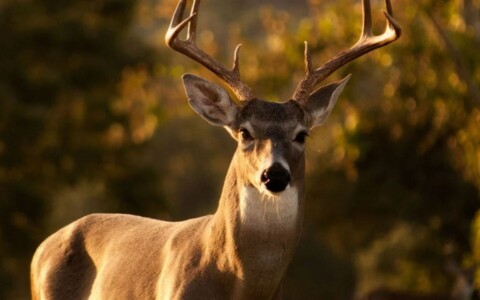

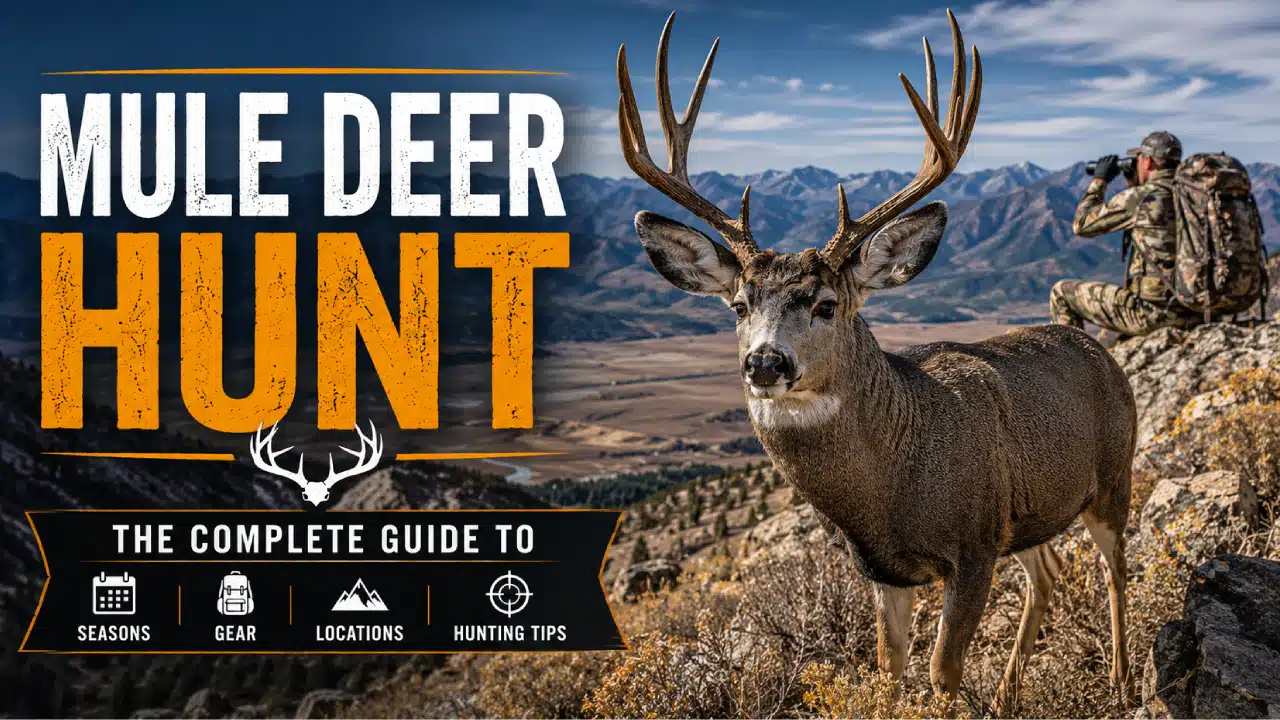
A mature mule deer buck standing on a distant ridgeline is a sight that keeps hunters coming back to the mountains year after year. With oversized ears, sharp eyesight, and a preference for rugged terrain, mule deer offer one of North America’s most rewarding hunting experiences. Unlike whitetails that often live in dense cover, mule deer are frequently found in open country where spotting, glassing, and strategic stalking play major roles in success.
From the high country of Colorado to the deserts of Arizona and the vast landscapes of Wyoming, a mule deer hunt can take hunters into some of the most scenic terrain in the West. Success requires preparation, physical fitness, quality optics, and an understanding of mule deer behavior throughout the year.
Whether you are planning your first hunt or pursuing a mature trophy buck, this guide covers everything you need to know about mule deer hunting, including the best states, seasons, gear, hunting methods, and planning considerations.
Looking for your next mule deer hunt? Hunt-Nation connects hunters with trusted outfitters, guides, and hunting professionals across North America and beyond. With more than 27 years of experience and access to over 300 outfitters, captains, and PHs worldwide, we help hunters find exceptional outdoor adventures that match their goals and hunting style.
What Is a Mule Deer Hunt?
A mule deer hunt involves pursuing mule deer, a species known for its large ears, forked antlers, and preference for open terrain.
Mule deer are found throughout much of the western United States, western Canada, and parts of Mexico.
Unlike whitetail deer, mule deer often inhabit:
- Mountain ranges
- Sagebrush flats
- High deserts
- Alpine basins
- Foothills
- Open grasslands
Their tendency to live in expansive landscapes creates hunting opportunities that often involve long hours behind binoculars and spotting scopes.
Understanding Mule Deer Behavior
Successful hunters spend time learning how mule deer use their habitat throughout the year.
Feeding Habits
Mule deer consume a variety of vegetation including:
- Sagebrush
- Forbs
- Browse
- Agricultural crops
- Shrubs
- Grasses
Food availability often influences seasonal movement patterns.
Bedding Areas
Mule deer frequently bed in locations that provide:
- Shade
- Visibility
- Wind advantage
- Escape routes
Many mature bucks choose elevated positions where they can monitor surrounding terrain.
Seasonal Movement
Mule deer behavior changes significantly throughout the year.
Factors influencing movement include:
- Weather conditions
- Food availability
- Hunting pressure
- Snowfall
- Breeding activity
Understanding these seasonal changes helps hunters locate deer more consistently.
Understanding the Mule Deer Rut
The rut is one of the most exciting periods of the season.
During this breeding period, bucks become increasingly active as they search for receptive does.
Pre Rut
During the pre-rut, bucks begin:
- Increasing movement
- Establishing dominance
- Expanding travel patterns
Hunters often locate mature bucks in feeding areas and transition zones.
Peak Rut
Peak rut activity typically occurs during late fall and early winter, depending on location.
During this period:
- Bucks travel extensively
- Daylight movement increases
- Mature deer become more visible
Many hunters consider the rut one of the best opportunities to harvest a mature buck.
Post Rut
Following the rut, bucks focus heavily on feeding and recovery.
Winter food sources become increasingly important.
Best States for Mule Deer Hunting
Several western states consistently provide outstanding opportunities.
Colorado
Colorado is often considered one of the top destinations for mule deer hunting.
Benefits include:
- Large mule deer population
- Diverse terrain
- Trophy potential
- Extensive public land
Wyoming
Wyoming offers excellent mule deer habitat across much of the state.
Hunters appreciate:
- Strong deer populations
- Quality genetics
- Expansive hunting areas
Utah
Utah is known for producing exceptional trophy bucks.
Limited-entry units often attract hunters seeking mature deer.
Arizona
Arizona combines desert landscapes with outstanding trophy potential.
Many hunters pursue mule deer in both desert and high-country environments.
Nevada
Nevada consistently produces impressive bucks due to strong management and quality habitat.
Montana
Montana offers a mix of public and private land opportunities along with healthy mule deer populations.
Best Time for a Mule Deer Hunt
Timing can influence both deer activity and hunting conditions.
Early Season
Advantages include:
- Patternable feeding behavior
- Summer ranges
- High-country opportunities
Mid Season
As temperatures cool, deer movement often increases.
Hunters may find deer transitioning between seasonal habitats.
Rut Hunts
The rut provides some of the best opportunities to encounter mature bucks during daylight hours.
Late Season
Winter conditions often concentrate deer into lower elevation areas.
Food sources become primary focal points.
Popular Mule Deer Hunting Methods
Spot and Stalk Hunting
Spot and stalk is one of the most popular methods for mule deer hunting.
The process involves:
- Locating deer using optics
- Planning an approach
- Using terrain for concealment
- Closing the distance for a shot
Glassing From Vantage Points
Many successful hunters spend hours behind optics.
Elevated observation points allow hunters to cover large areas efficiently.
Still Hunting
Still hunting involves moving slowly through likely deer habitat while watching for movement.
Ground Blind Hunting
In some areas, ground blinds near water sources or travel corridors can be productive.
Essential Gear for a Mule Deer Hunt
Proper equipment contributes significantly to comfort and effectiveness in the field.
Rifles
Popular calibers include:
- .270 Winchester
- .308 Winchester
- 6.5 Creedmoor
- 7mm Remington Magnum
- .300 Winchester Magnum
Optics
Quality optics are among the most important investments.
Recommended equipment includes:
- 10×42 binoculars
- Spotting scope
- Rangefinder
Many hunters spend more time glassing than walking.
Hunting Clothing
A layered clothing system helps hunters adapt to changing conditions.
Include:
- Base layers
- Insulating layers
- Windproof outerwear
- Rain gear
Footwear
Mule deer country often involves:
- Steep terrain
- Rocky slopes
- Long hikes
Quality boots with strong ankle support are essential.
Backpacks
A hunting pack should comfortably carry:
- Water
- Food
- Extra layers
- Emergency supplies
- Harvested meat
Physical Preparation
Many mule deer hunts require significant walking and elevation changes.
Preparation should include:
- Hiking
- Cardio training
- Strength exercises
- Pack training
Physical fitness often improves both comfort and hunting opportunities.
Public Land Mule Deer Hunting
The western United States offers millions of acres of public hunting land.
Success often depends on:
- Scouting
- Mapping tools
- Access planning
- Locating overlooked areas
Hunters willing to travel farther from roads frequently encounter less pressure.
Scouting for Mule Deer
Scouting helps hunters understand where deer spend their time.
Summer Scouting
Many hunters locate bucks during summer before the season begins.
Trail Cameras
Where legal, cameras can help monitor:
- Deer activity
- Travel routes
- Seasonal patterns
Glassing
Glassing remains one of the most effective scouting methods for mule deer.
Common Mule Deer Hunting Mistakes
Insufficient Glassing
Many hunters move too quickly instead of thoroughly observing terrain.
Ignoring Wind Direction
Mule deer rely heavily on their sense of smell.
Poor Physical Preparation
Mountain terrain can be demanding.
Rushing Stalks
Patience often leads to better opportunities.
Overlooking Water Sources
In dry regions, water can attract consistent deer activity.
Guided Mule Deer Hunts vs DIY Hunting
Guided Hunts
Benefits include:
- Local knowledge
- Access to quality hunting areas
- Reduced planning
- Professional support
DIY Hunting
Benefits include:
- Lower cost
- Greater independence
- Personal challenge
Both options can provide rewarding experiences.
Choosing a Mule Deer Outfitter
Look for:
- Strong references
- Experienced guides
- Quality habitat
- Transparent communication
- Proper licensing
Ask questions about terrain, hunting pressure, accommodations, and physical requirements.
Looking for a memorable mule deer hunt? Hunt-Nation works with trusted outfitters and hunting professionals throughout the West, helping hunters find opportunities that match their goals, budget, and preferred hunting style.
What Happens After the Harvest?
Proper field care begins immediately.
Field Dressing
Prompt field dressing helps preserve meat quality.
Cooling the Meat
Rapid cooling is essential, especially during warmer conditions.
Trophy Care
Protect antlers and capes if taxidermy is planned.
Processing
Many hunters choose either professional processing or home processing depending on circumstances.
Frequently Asked Questions
What is the best state for mule deer hunting?
Colorado, Wyoming, Utah, Arizona, and Nevada are among the most popular destinations.
What is the best time for a mule deer hunt?
The rut and late-season periods often provide excellent opportunities for mature bucks.
How far do hunters typically hike?
Distances vary greatly depending on terrain and hunting style.
What caliber is best for mule deer?
Popular options include .270 Winchester, .308 Winchester, 6.5 Creedmoor, and 7mm Remington Magnum.
Are guided mule deer hunts worth it?
Many hunters value local knowledge, logistics support, and access provided by experienced guides.
Is public land mule deer hunting productive?
Yes. Many successful hunts occur on public land throughout the West.
Conclusion
A mule deer hunt combines adventure, beautiful landscapes, and the challenge of pursuing one of North America’s most respected big game animals. From high alpine basins to sagebrush country, mule deer inhabit diverse terrain that rewards preparation, patience, and persistence.
Understanding mule deer behavior, investing in quality gear, scouting effectively, and selecting the right hunting location can greatly improve your chances of success. Whether you prefer public land adventures or professionally guided experiences, mule deer hunting offers opportunities for hunters of all experience levels.
Ready to plan your next mule deer hunt? Hunt-Nation works with trusted outfitters, guides, and hunting professionals across premier mule deer destinations, helping hunters create memorable outdoor experiences backed by more than 27 years of industry experience.