
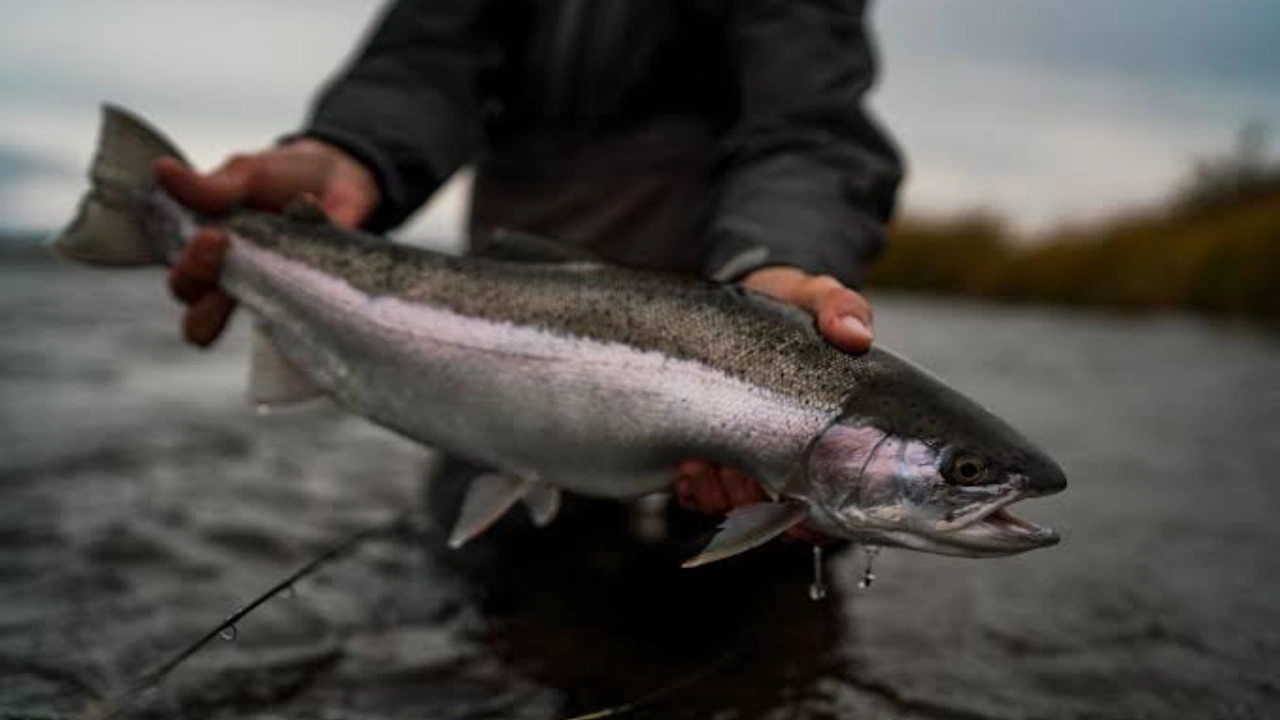
Rainbow trout fishing attracts everyone from first-time anglers to experienced fly fishermen because these fish can be targeted in streams, rivers, lakes, reservoirs, and stocked waters. They are known for their striking appearance, strong runs, and ability to respond to several fishing methods.
But successful rainbow trout fishing is not simply about choosing a popular bait and casting into the water. Water temperature, season, depth, current, available food, fishing pressure, and whether the trout are wild or stocked can all change how they behave.
This guide covers the essentials of fishing for rainbow trout, including where to find them, productive baits and lures, fly fishing techniques, basic setups, seasonal considerations, and what anglers should know when looking for trophy rainbow trout opportunities.
For anglers who want to take rainbow trout fishing beyond their local waters, Fish Nation also works with established fishing programs offering access to productive trout destinations.
Explore Fish Nation’s Alaska Rainbow Trout Fishing Program
For other destinations and current fishing opportunities, anglers can also explore the Fish Nation catalog or contact the team directly for trip-specific information.
What Is Rainbow Trout Fishing?
Rainbow trout are cold-water fish commonly associated with clear, oxygen-rich rivers, streams, lakes, and reservoirs. Depending on the fishery, anglers may encounter naturally reproducing wild trout, stocked trout, or fisheries managed specifically for larger fish.
One reason rainbow trout fishing is so popular is its versatility.
Anglers can target rainbow trout with:
- Fly fishing
- Artificial lures
- Natural bait
- Float fishing
- Bottom presentations
- Light spinning tackle
The right approach depends heavily on the water being fished.
A small mountain stream, for example, requires a very different presentation from a large lake. Trophy trout in remote river systems can require another strategy entirely.
Where to Find Rainbow Trout
Understanding where trout are likely to hold is often more important than constantly changing bait.
Rainbow trout generally favor cool, oxygenated water with nearby feeding opportunities and protection from predators.
Rivers and Streams
In moving water, look around:
- Current seams
- Deep pools
- Riffles
- Undercut banks
- Behind large rocks
- Changes in current speed
- Areas where faster and slower water meet
Trout often position themselves where they can conserve energy while food moves toward them.
Lakes and Reservoirs
Rainbow trout location can change substantially throughout the year.
During cooler conditions, fish may be accessible relatively close to shore or higher in the water column. As surface water becomes warmer, trout frequently seek cooler and more comfortable depths.
This seasonal movement is one reason a spot that produces excellent fishing during spring may become much less productive during summer.
Best Season for Rainbow Trout Fishing
There is no single worldwide rainbow trout fishing season because climate, elevation, latitude, stocking schedules, local regulations, and individual fisheries vary.
As a general fishing principle, however, cooler conditions are often favorable.
Spring
Spring can provide excellent fishing as water begins warming while remaining cool enough for trout.
Fish may become more active and feed in shallower areas, making this a productive period for bait, lures, nymphs, and other fly presentations.
Summer
Summer requires more attention to water temperature.
When conditions become warm, trout may move toward deeper water, shaded areas, springs, tributaries, or other locations offering cooler and better-oxygenated water.
Early mornings can therefore become particularly important.
Fall
Cooling water can increase fishing opportunities again. Depending on the destination, anglers may encounter actively feeding trout preparing for colder conditions.
Winter
Rainbow trout can still be caught during winter where regulations and conditions allow, although slower presentations may become more effective as fish activity changes.
Seasonal behavior varies considerably between fisheries, so destination-specific information should always take priority over a generic calendar.
Best Bait for Rainbow Trout
The best bait for rainbow trout depends on whether anglers are targeting wild or stocked fish and what natural food is available.
Common choices include worms, minnows where legally permitted, salmon eggs or roe where permitted, and commercially prepared trout baits.
Current trout fishing guides also identify worms, minnows, salmon eggs and prepared trout baits among productive options, particularly in lake and stocked-water situations.
Worms
Worms remain one of the simplest natural presentations.
They can be drifted through moving water, suspended beneath a float, or presented near the bottom depending on conditions.
Prepared Trout Bait
Prepared floating trout bait is especially associated with stocked rainbow trout.
It can be useful when fish are accustomed to hatchery feeding patterns and can be presented close to the depth at which trout are holding.
Minnows and Other Natural Food
Where regulations permit their use, small baitfish can be productive, particularly in fisheries containing larger predatory trout.
Local fishing regulations should always be checked before using live bait because permitted bait species and methods vary considerably between destinations.
Best Lures for Rainbow Trout
Artificial lures allow anglers to cover more water and actively search for fish.
Popular rainbow trout fishing lures include:
- Small spinners
- Spoons
- Small minnow-style lures
- Soft plastics
- Small jigs
Spinners and spoons are particularly useful when trout are actively feeding because flash, vibration, and movement can trigger strikes.
In clear water, smaller and more natural presentations can be useful. In stained water or low-light conditions, additional vibration or visibility may help fish locate a lure.
The key is not simply owning the “best” lure. Retrieve speed, depth, lure size, and presentation can matter just as much.
Fly Fishing for Rainbow Trout
Fly fishing rainbow trout is especially effective because aquatic and terrestrial insects make up an important part of a trout’s available food in many fisheries.
Three major categories are useful to understand.
Nymphs
Nymphs imitate immature aquatic insects beneath the surface.
Because much trout feeding takes place underwater, nymph fishing can remain productive even when no obvious surface activity is visible.
Dry Flies
Dry flies are presented on the surface.
They become especially exciting when trout are visibly rising and feeding on insects at or near the surface.
Rather than automatically selecting a particular pattern, observe the insects currently present and try to approximate their size and profile.
Streamers
Streamers generally imitate larger food sources such as small baitfish or other aquatic prey.
They can be particularly useful when searching larger areas or targeting aggressive fish.
Rainbow Trout Fishing Setup
A rainbow trout fishing setup should generally prioritize control and a natural presentation rather than unnecessary heavy equipment.
For conventional fishing, light tackle is widely used because many trout fisheries involve relatively small lures and subtle presentations. Current rainbow trout guides commonly recommend light or ultralight approaches, particularly when fishing clear water.
The exact setup should still match the fishery.
A setup intended for stocked trout in a small pond will not necessarily be suitable for large wild rainbow trout in a remote Alaskan river.
How to Catch Rainbow Trout in a Stocked Pond
Stocked trout behave differently from established wild populations.
After stocking, fish may initially remain concentrated around accessible areas before dispersing through the water.
Simple bait presentations can therefore work extremely well.
Anglers should concentrate on identifying the depth where trout are holding rather than repeatedly casting to the same depth without success.
A float can help suspend bait at a selected level, while a bottom presentation can be effective when trout are feeding lower in the water column.
Stocked trout can also respond well to small spinners, spoons, jigs, and prepared trout bait.
Rainbow Trout Fishing in Lakes
Lake fishing presents a different challenge because anglers cannot rely on visible current to reveal likely holding areas.
Instead, pay attention to structure and temperature.
Potential areas include:
- Drop-offs
- Points
- Creek mouths
- Weed edges
- Submerged structure
- Changes in depth
- Cooler inflowing water
During cool conditions, trout may cruise relatively shallow areas.
As water warms, finding the correct depth becomes increasingly important.
Rainbow Trout Fishing in Rivers
River fishing is largely about reading current.
Trout generally do not want to expend unnecessary energy fighting heavy current continuously. Instead, they can position themselves near slower water while taking advantage of food carried past them.
Look closely at current seams, pockets behind rocks, deeper runs, undercut banks and transitions between fast and slow water.
When using bait or flies, a natural drift can be especially important.
Stocked Rainbow Trout vs. Wild Rainbow Trout
This distinction matters.
Stocked Rainbow Trout
Stocked trout can be relatively approachable for beginners and may respond well to prepared bait and straightforward presentations.
Wild Rainbow Trout
Wild fish have spent their lives responding to natural food sources and environmental threats.
In clear or heavily pressured water, they can demand more careful presentations, better positioning, and greater attention to natural forage.
Trophy Rainbow Trout
Trophy fishing introduces another level entirely.
Larger fish may behave differently from smaller trout and remote destinations can involve specialized guides, access methods, and techniques.
This is where destination knowledge becomes extremely valuable.
Trophy Rainbow Trout Fishing in Alaska
Alaska deserves special attention for anglers interested in larger wild rainbow trout.
Fish Nation’s Bristol Bay program combines river-based fishing with daily fly-outs and access to as many as 30 rivers and streams. The lodge is situated on the Kvichak River, which Fish Nation identifies as habitat for some of Alaska’s largest trophy rainbow trout, including fish exceeding 30 inches.
Timing also matters.
According to Fish Nation’s current program information:
June: opportunities for large spring rainbow trout.
July: broader species diversity and generally favorable summer conditions.
Late August: trophy rainbow trout fishing begins strengthening.
September: excellent trophy rainbow trout opportunities during the fall period.
Anglers specifically planning a trophy rainbow trout trip should therefore consider the target species first rather than choosing travel dates solely around general Alaska fishing season.
View the Alaska Fly-Out Fishing Program
Rainbow Trout Fishing Regulations
Fishing regulations cannot accurately be summarized with one universal bag limit or season.
Rules may govern:
- Fishing seasons
- Daily limits
- Size restrictions
- Catch and release areas
- Hook requirements
- Bait restrictions
- Protected waters
These rules can change between neighboring rivers and lakes.
Always check the current regulations for the exact water you intend to fish before your trip.
Common Rainbow Trout Fishing Mistakes
One of the biggest mistakes is assuming the same technique works everywhere.
An approach that catches freshly stocked trout in a local lake may be ineffective for wild trout in a clear river.
Other common problems include fishing at the wrong depth, using tackle that is unnecessarily heavy, ignoring water temperature, retrieving lures too quickly, overlooking current seams, and continuing with one presentation when fish behavior clearly suggests a change is needed.
Good rainbow trout fishing is largely about observation and adjustment.
Planning a Rainbow Trout Fishing Trip
Before choosing a destination, consider what type of experience you actually want.
Someone wanting accessible stocked trout fishing has completely different requirements from an angler searching for trophy wild rainbow trout in Alaska.
Consider:
Target fish: Are ordinary rainbow trout sufficient, or is the objective a trophy fish?
Fishing style: Fly fishing, conventional tackle, or both?
Water type: Lake, river, stream, or remote fly-out fishery?
Experience: Independent fishing or guided fishing?
Season: Does the destination’s prime rainbow trout period match your available travel dates?
Answering those questions first makes selecting a fishing destination considerably easier.
Plan Your Rainbow Trout Fishing Adventure with Fish Nation
For anglers ready to turn research into a destination fishing trip, Fish Nation can help identify programs based on target species, preferred fishing style, season, and travel expectations.
Rather than assuming that every trout destination offers the same experience, the goal should be finding the program that matches what you actually want to catch.
Contact Fish Nation About Your Fishing Trip
Frequently Asked Questions
What is the best bait for rainbow trout?
Worms, salmon eggs where permitted, minnows where legal, and commercially prepared trout bait can all catch rainbow trout. The best choice depends on whether the fish are wild or stocked and what they naturally feed on in that particular water.
What are the best lures for rainbow trout?
Small spinners, spoons, jigs, soft plastics, and minnow-style lures are common choices. Adjust lure size, depth, color, and retrieve speed according to water clarity and trout activity.
What is the best rainbow trout fishing setup?
Light tackle is suitable for many ordinary rainbow trout fisheries, but there is no universal setup. Tackle should be matched to fish size, water type, fishing technique, and local conditions.
When is the best season for rainbow trout fishing?
Spring and fall can provide excellent conditions in many fisheries because water temperatures are favorable, but rainbow trout fishing seasons vary significantly by location. Some destinations also offer productive summer or winter fishing.
Where can you catch trophy rainbow trout?
Trophy rainbow trout occur in several cold-water fisheries. Fish Nation specifically offers an Alaska Bristol Bay program based on the Kvichak River with access to multiple rivers and streams and opportunities for trout exceeding 30 inches.
How do you catch rainbow trout in a stocked pond?
Start by determining the depth where trout are holding. Prepared trout bait, worms, small spinners, spoons and jigs can all be effective. Adjust the presentation rather than assuming fish will remain at one depth throughout the day.
Is fly fishing good for rainbow trout?
Yes. Nymphs, dry flies and streamers can all be productive. The best approach depends on insect activity, water conditions, trout feeding behavior and the type of water being fished.
Are rainbow trout fishing regulations the same everywhere?
No. Seasons, limits, bait restrictions, hook rules and catch-and-release requirements vary by jurisdiction and sometimes by individual water. Always verify current regulations for the exact destination before fishing.