
Whitetail hunting has a long history across much of North America, where white-tailed deer are among the most familiar native wildlife species. Their ability to live in forests, agricultural landscapes, grasslands, and areas near human development has helped them establish a remarkably broad range.
For anyone researching whitetail hunting, understanding the deer themselves provides important context. Habitat, seasonal behavior, local population management, conservation goals, and hunting regulations can differ significantly from one region to another.
This guide explores the fundamentals of white-tailed deer and the broader wildlife-management considerations surrounding whitetail hunting.
Phone Number: 307-637-5495
Business Email: info@hunt-nation.com
Understanding the White-Tailed Deer
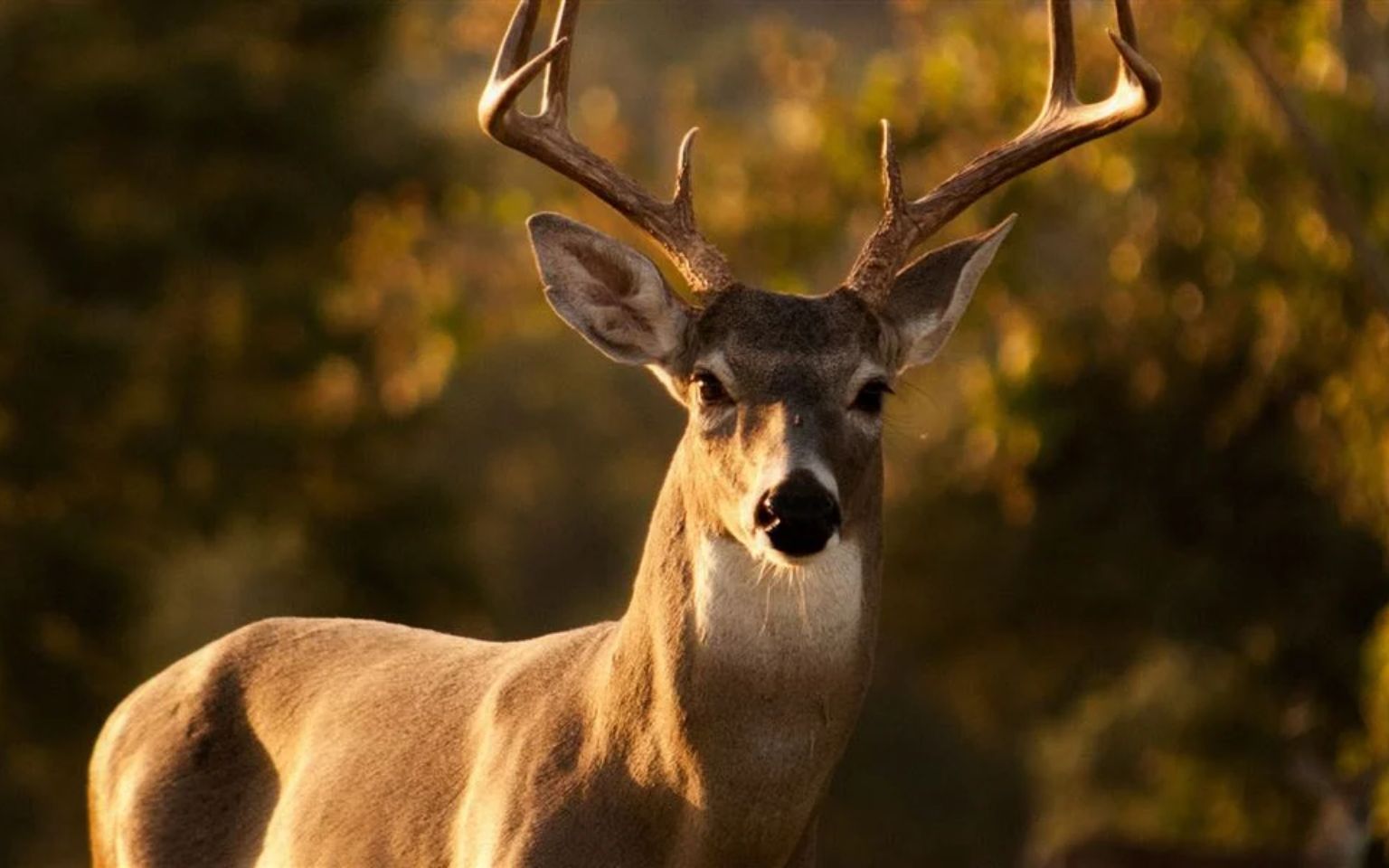
The white-tailed deer (Odocoileus virginianus) gets its common name from the white underside of its tail, which becomes especially noticeable when the animal is alert or moving away.
Whitetails are highly adaptable. Their ability to use different food sources and habitats allows them to thrive across diverse landscapes.
Adult males are commonly called bucks, females are called does, and young deer are called fawns. Bucks generally grow antlers annually, with antler development influenced by factors including age, nutrition, genetics, and overall health.
These characteristics have also made whitetail deer an important species for wildlife research and population management.
Where Do Whitetail Deer Live?
White-tailed deer occupy an extensive geographic range.
Within the United States, populations occur across many eastern, central, southern, and other regions. Suitable habitat often includes a combination of feeding areas, water, and protective cover.
Whitetails can be found around:
- Hardwood and mixed forests
- Agricultural areas
- Brush and grasslands
- River corridors
- Forest edges
- Areas containing a mixture of open land and cover
Habitat conditions can differ substantially between states and even between neighboring properties. This is one reason destination-specific information matters when researching whitetail hunting.
Whitetail Deer Behavior and Seasonal Changes
Whitetail behavior changes throughout the year.
Food availability, weather, breeding activity, habitat conditions, and human disturbance can all influence how deer use the landscape.
During warmer periods, vegetation and agricultural areas may provide abundant food. As seasons change, available food sources and cover also change.
The breeding period, commonly called the rut, is another major part of the whitetail’s annual cycle. Its timing varies geographically and can influence deer movement and social behavior.
Rather than assuming deer behave identically everywhere, it is more accurate to consider the specific region, habitat, and time of year.
Whitetail Hunting Seasons and Regulations
Whitetail hunting regulations are established by individual wildlife authorities and can vary considerably by location.
Season dates, licensing requirements, legal methods, harvest limits, and other rules may differ between states and can change from one year to another.
For that reason, anyone researching a particular whitetail hunting destination should verify current regulations directly with the appropriate state wildlife agency.
This is especially important for people traveling between states. Rules that apply in one location should not be assumed to apply elsewhere.
Why Whitetail Deer Management Matters
Whitetail deer are native wildlife, so management is different from the management of invasive species such as feral swine.
Wildlife agencies generally monitor deer populations and establish regulations based on regional management objectives. Those objectives can include maintaining sustainable populations, protecting habitat, addressing deer-related conflicts, and balancing deer numbers with available resources.
Population conditions are not uniform across the country. One region may have different management priorities from another.
This makes science-based, location-specific wildlife management particularly important.
Habitat Quality and Healthy Whitetail Populations
Healthy deer populations depend heavily on healthy habitat.
Whitetails require access to food, water, cover, and sufficient space. The quality and availability of these resources can influence population health and how deer use a landscape.
Habitat management may involve maintaining a mixture of vegetation types, protecting important natural areas, monitoring the effects of land development, and considering the needs of other wildlife species.
Managing habitat solely around deer would overlook the larger ecosystem. Forests and grasslands support many species, so effective conservation considers biodiversity as well as individual wildlife populations.
Whitetail Hunting and Conservation
Regulated hunting exists within a broader system of wildlife conservation and population management.
In the United States, state wildlife agencies establish hunting seasons and regulations based on their management objectives and available biological information. These rules can be adjusted as populations and environmental conditions change.
Responsible participation therefore starts with understanding current regulations rather than relying on information from previous seasons or another state.
Anyone planning around a specific location should review the latest official regulations before making decisions.
Why Location Matters for Whitetail Hunting
There is no single whitetail experience that accurately represents every destination.
Habitat can range from agricultural landscapes and hardwood forests to brush country and mixed woodland. Deer populations, climate, season dates, and management priorities can also differ.
This geographical variation is why researching a specific destination provides more useful information than relying solely on broad whitetail hunting advice.
A good destination resource should clearly explain where an area is located, what type of habitat surrounds it, applicable regulations, seasonal considerations, and which details may change.
Responsible Whitetail Hunting Starts With Accurate Information
Wildlife regulations exist for specific management and conservation reasons. Following those regulations is a basic responsibility for anyone participating in legal hunting activities.
Before visiting a destination, check current information from the relevant wildlife authority. Regulations concerning licenses, seasons, harvest reporting, property access, and other requirements should always be verified from official sources.
Information published by outfitters and outdoor organizations can provide useful destination context, but official wildlife agencies should remain the source for current legal requirements.
Frequently Asked Questions About Whitetail Hunting
What is whitetail hunting?
Whitetail hunting refers to regulated hunting of white-tailed deer. Seasons, licensing requirements, harvest limits, and other regulations depend on the jurisdiction.
Where are white-tailed deer found?
White-tailed deer have a broad North American distribution and occupy many types of habitat, including forests, agricultural landscapes, grasslands, and transitional areas.
What is the whitetail rut?
The rut is the white-tailed deer’s breeding period. Timing varies by geographic location and environmental conditions.
Are whitetail hunting seasons the same in every state?
No. Wildlife authorities establish their own seasons and regulations. Requirements can also change, so hunters should consult current official regulations for their destination.
Why are whitetail deer populations managed?
Management can help wildlife agencies maintain sustainable deer populations while considering habitat conditions, ecological impacts, public interests, and regional conservation objectives.
Understanding the Bigger Picture
Whitetail hunting is closely connected with the ecology and management of one of North America’s best-known wildlife species.
Understanding white-tailed deer habitat, seasonal behavior, conservation, population management, and local regulations provides much more useful context than looking at hunting in isolation.
Because conditions vary widely across the whitetail’s range, destination-specific research remains essential. Current information from wildlife agencies should always be used when evaluating regulations, while reliable destination resources can provide additional context about local habitat and regional conditions.
Learn More with Hunt Nation: https://www.hunt-nation.com/catalog-search/